


About
About Guana Science
Beginnings
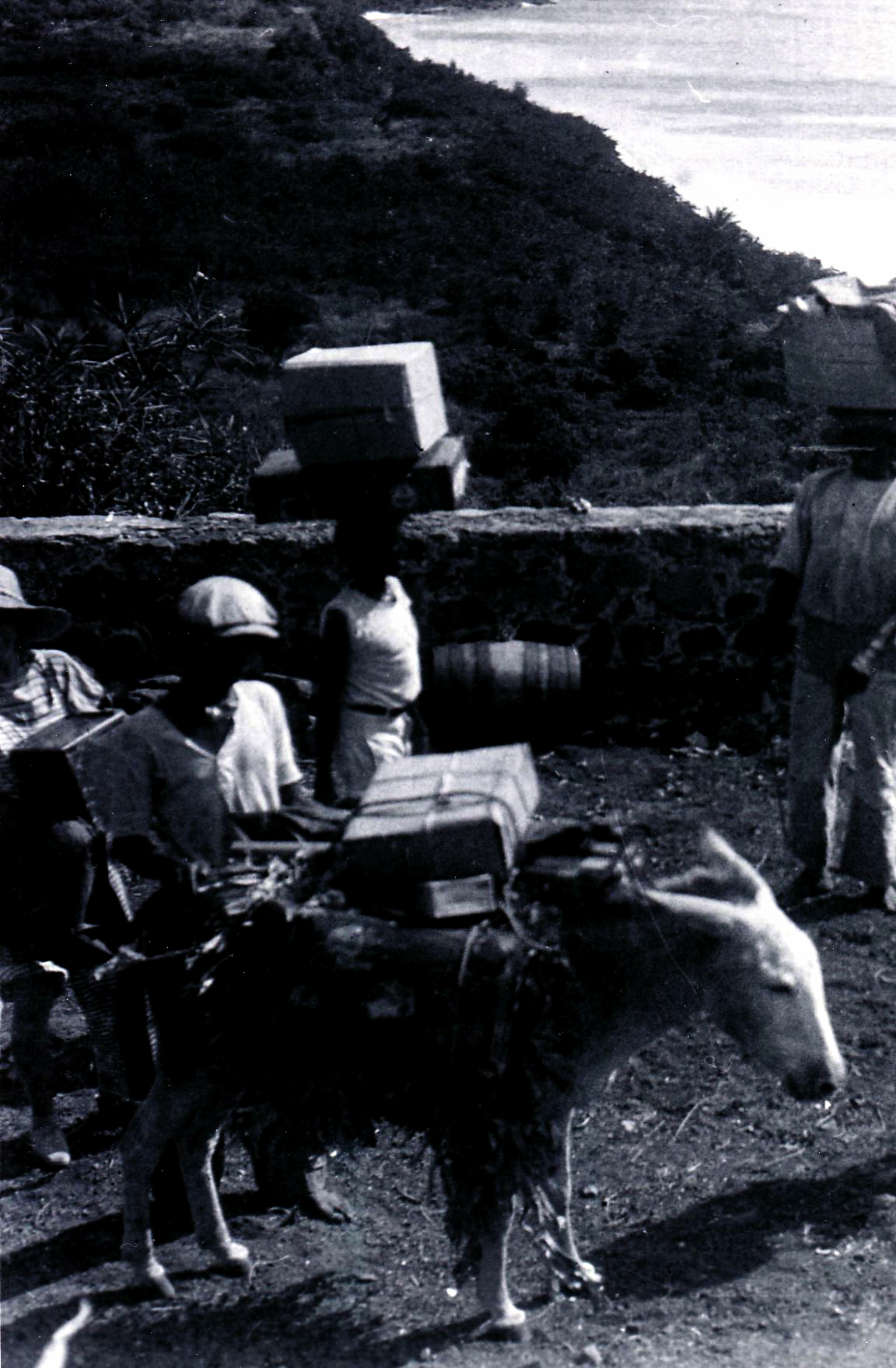
Guana science began, so far as we know, in 1932 when retired U.S. Army Major Chapman Grant came to the British Virgin Islands (BVI). He visited Guana and published his results: he listed a half dozen species of terrestrial vertebrates (not including those that could fly) — all reptiles. Among them were an iguana and a small boa. A couple of years later the Bigelows of Boston purchased the Island and began preparations for making it a vacation retreat for their friends. They kept records of archaeological interest but said little about fauna or flora. In 1937 and 1938, Mr. and Mrs. George Dewey of Worcester, Massachusetts, came to Guana and made a collection of land snails. This was documented by Dr. William Clench of the Museum of Comparative Zoology (MCZ), Harvard, and became the second published report on Guana's wildlife.
World War II & the 60s
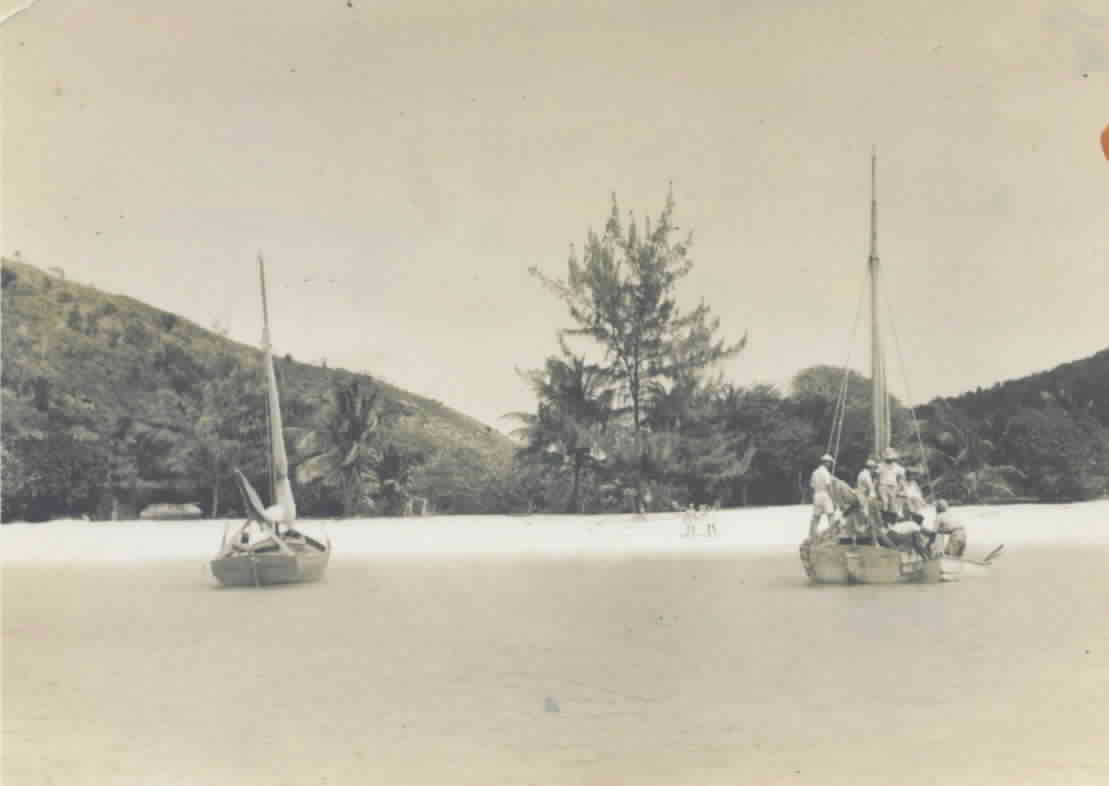
World War II intervened and years went by before another scientific note was taken. In 1952 ornithologist Erma J. (Jonnie) Fiske and her husband Bradley became regular visitors. This was the beginning of systematic listing of birds — and documentation of nesting sea turtles — that lasted well into the 1960s. There was a short gap then until the mid- or late 1960s when investigation of fruit flies, directed by Dr. Richard Levins of Harvard, began. This resulted in a thesis by Levins' student Mary Lou Pressick (University of Puerto Rico), but we are not sure who visited Guana to get the flies, or when. Levins published two papers in 1969 that included data on Guana's fruit flies.
The 70s
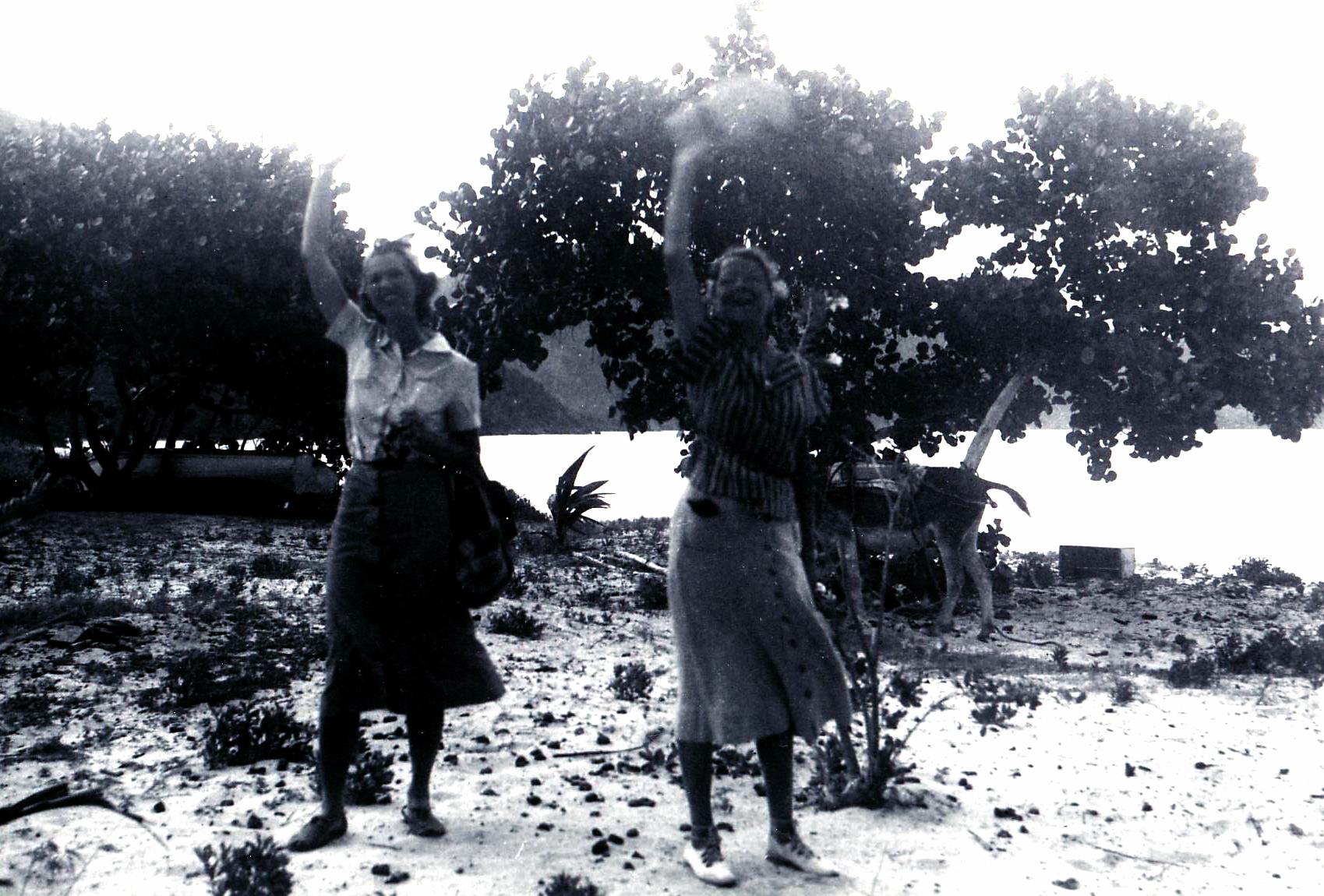
There was another gap until 1973 when Virginia Orr Maes, of the Philadelphia Academy of Natural Sciences, came and commenced studies of marine snails. She made four visits through 1979 and published her results in 1983. Maes spanned the period when the Bigelows sold the Island, and Mary Randall came in as manager.
The Jarecki Family
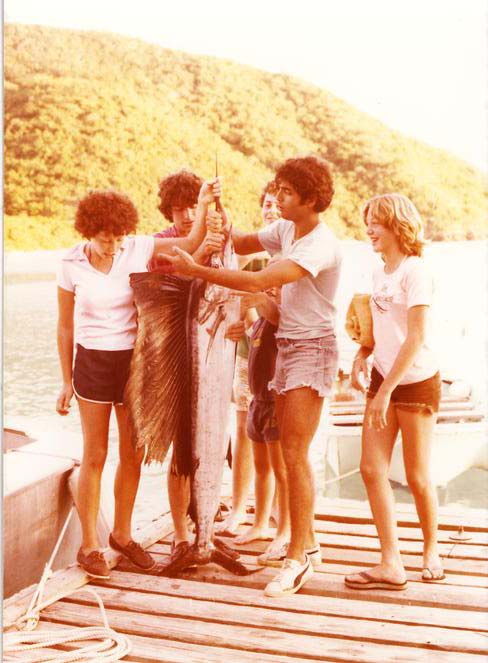
The Jarecki family of New York bought Guana from the Bigelows in 1974 and hired Randall to become manager. She began systematic recording of rainfall and kept anecdotal notes on birds, mangroves, and other bits of natural history. In 1976, the Cambridge University (England) ornithological team came to the BVI for most of the summer and visited Guana at least once. Their trip resulted in the first published record of birds (Mirecki, 1977).
The 80s
In 1980, Dr. James Lazell of MCZ and The Conservation Agency (TCA) came to Guana while conducting extensive surveys throughout the BVI on behalf of the (then) Ministry of Natural Resources (MNR). Lazell's efforts were funded by The Nature Conservancy (TNC) and his first encounters with Guana's wildlife caused him to send for ornithologist Dr. Robert Chipley, then with TNC. Lazell's 1980 Report to MNR and TNC, while covering all the BVI, marks the initiation of what has become intensive investigation centered on Guana Island. In 1992, Dr. Lianna Jarecki initiated scientific study centered on marine life. The now 31 years of work that has been done by Lazell, Jarecki and other visiting scientists can be accessed in the Reports and Articles tab on the top of the screen.
FAQ
Frequently Asked Questions
What sort of material can I find on the website?
The website contains reports and articles that deal with science-related projects conducted on Guana Island.
How far back does the material go?
The earliest Guana Science report was completed in 1980 by Dr. James D. Lazell of The Conservation Agency.
Who contributes to the reports and articles?
A variety of scientists and authors contribute to the reports and articles, respectively.
Can I download reports and articles?
Yes. Reports can be downloaded to the user’s computer and be used only for criticism, comment, news reporting, teaching, scholarship, and research. The material is copyrighted under U.S. code title 17, section 107, and is limited to "fair use."